We Were Again Writing a Letter About Out Fears and Other Feelings
How to Use Writing to Radically Better Your Relationships
A consummate how-to on writing letters to others to keep practiced relationships potent, repair injure feelings, and assist you grow in unexpected ways
What is the main matter keeping you from having amazing relationships?
What's keeping you from existence an unforgettable friend? An outstanding husband? An inspiring sister?
Co-ordinate to Stephen Covey, writer of 'The vii Habits of Highly Effective People', the reason why almost relationships neglect is because we focus on changing our superficial behaviors and attitudes before addressing the way we perceive the relationship itself.
We tackle the leaves of the problem instead of touching the roots.
We fiddle with furnishings instead of addressing the causes.
In other words, we say nice things without knowing how to communicate; we purchase our children gifts as compensation for our lack of attention; we invest on "quick fixes" and make empty commitments, not realizing that the primal to successful relationships lies in loving, consistent maintenance.
Why do nosotros do this?
Sometimes information technology'southward because we want to avoid facing and expressing our challenging emotions (who likes to make fourth dimension to discuss the root of their biggest fears?).
Another reason is that doing maintenance takes fourth dimension (and let's be honest — we're all busy).
However, the most common reason is that most of us simply don't know how to do it. And that's why in this commodity I will share with you a unproblematic tool that has changed my relationships forever:
Writing to people.
Simply not just whatever kind of writing.
Certain, we all write quick birthday cards and leave nice Instagram comments on our friends' pictures once in a while. Just how much closer does that really bring us to our loved ones? Does that count equally 'loving, consistent maintenance'?
My answer is no.
The good news is, I have been extensively testing a few writing practices which, if practical correctly and continuously, can assist you:
- Become a amend friend;
- Communicate more than openly;
- Solve disharmonize in a compassionate and effective fashion;
- Make your exchanges more meaningful;
- Encourage other people to open to you.
And the best thing is, y'all don't need to be a professional writer in lodge to use these practices. Y'all don't even need to be a skilful writer. In society to apply the ideas in this commodity, all you demand is:
- The willingness to be vulnerable and face your own emotions, and
- A desire to brand your relationships more authentic and fulfilling.
The Lost Art of Exchanging Long, Focused, Unbroken Pieces of Text
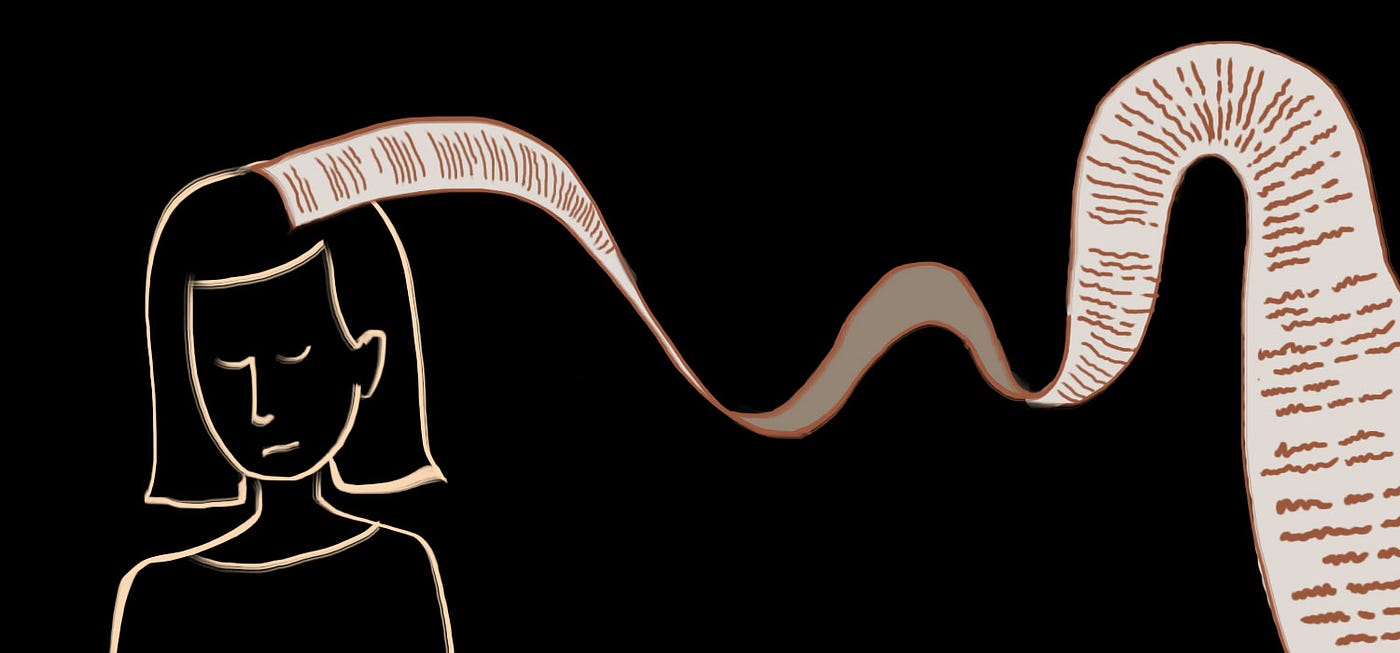
In the first months of our relationship, my partner and I were living in different countries.
When nosotros were discussing ways to keep long distance communication, one of the first things he told me was:
"I don't use social media and I hate chatting."
At beginning I was a bit skeptical, just nosotros decided to give it a endeavor. From then on, autonomously from the occasional vox phone call, our long distance communication was mostly restricted to ii distinct formats:
- Long emails
- Handwritten letters
Although this might seem impossible — and even ridiculous — in a world where texting and constant updating are an inevitable part of our relationships, I believe this fashion of communicating was the reason why we stayed together (and remain together, more four years later on).
A recent report shows that sending as well many texts can create some disconnects in committed relationships.
Researchers from Brigham Immature University found that using texts to make important decisions or settle disagreements is associated with lower human relationship quality from women's perspective; for men, lower human relationship quality seems to be connected with texting too frequently.
During our long distance relationship, my partner and I refrained from communicating with each other through texting, and instead sent each other a long email every second or tertiary day.
The benefits were immense:
- By writing long, focused emails, nosotros were able to go deeper and access complex thoughts that nosotros would never be able to reach in a text or fifty-fifty a short conversation;
- Every bit a effect, writing those emails likewise served equally a cocky-reflexive (and sometimes meditative) practice, allowing us to learn virtually ourselves in the process;
- As we knew that it would take the other person a solar day or two to get back to u.s.a., we avoided the anxiety of constantly checking for replies and we were able to focus on personal projects without distractions;
- The intervals between each email prevented us from getting bored of each other — which sometimes happens when you communicate with someone exclusively via digital media — considering nosotros ever had something interesting and new to say;
- Because of the amount of time, focus and honey we poured into our emails, we saw each slice of correspondence as something to be treasured: I remember setting aside intentional fourth dimension to read his emails, and my heart jumped with excitement every fourth dimension I saw his name on my inbox.
Merely at that place was one thing nosotros treasured even more than long emails, and that was sending and receiving handwritten, palpable, physical letters.
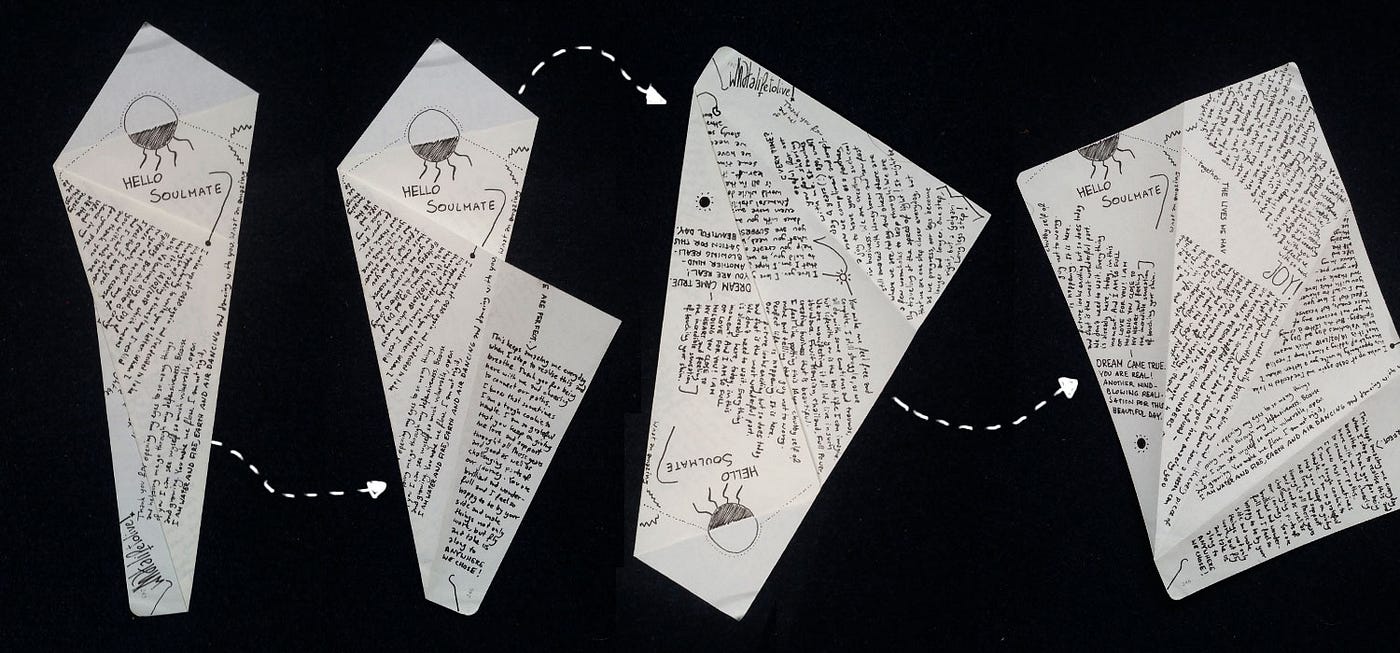
At that place is something special in crafting a long letter of the alphabet to someone you honey. You actually get to run into some of the other person's personality through their handwriting. Yous don't get distracted by notifications popping through the corner of your screen as yous write. You lot get to touch, hold, experience and smell that other person's bulletin, which brings a whole new level of intimacy into your exchanges.
It doesn't affair if it's your lover, your younger blood brother or your old friend with whom yous want to reconnect. When you dedicate focused time to write to people, they volition feel valued and loved — fifty-fifty if your grammar is imperfect and your construction inconsistent.
Also, this is not restricted to people who live far away from yous. Fifty-fifty if my partner and I live together now, information technology withal fills me with joy when I wake up to find a surprise love alphabetic character on my bedside table.
But what can you lot write virtually?
In the first, information technology doesn't affair.
If y'all start writing or typing and do it for a long enough period of time, even if at get-go you feel stuck, your encephalon volition somewhen start making valuable connections and accessing gradually more interesting thoughts.
However, if you lot want to use your writing to powerfully address the root of your issues and create authentic relationship healing, so the side by side department is for you.
Communicating Emotions
A few years ago, a group of psychologists conducted a report called 'The Experimental Generation of Interpersonal Closeness', which was subsequently popularized by the commodity 'To Fall In Love With Anyone, Do This'.
Past pairing upwards strangers and making them ask increasingly personal questions to each other, the scientists proved that "escalating, reciprocal, personalistic self-disclosure" has the power to brand people experience a greater degree of closeness.
In other words, when we compassionately exchange pieces of personal information with someone, we are closing the gap between united states and condign closer to each other.
That'due south exactly what I did a few months ago when an ongoing tension with a friend finally exploded with her sending me a very angry email.
When I first saw information technology, my instinct was to call her and get defensive, but I quickly stopped myself as I realized that this would only generate more than anger and distance.
I knew that the key to settling the disharmonize was to tell her how I felt without blaming her for the situation, just in order to exercise that I had to calm my anger and get dorsum to a place of mental clarity.
So I did the following: I asked her to meet me the side by side day; and so I went for a walk to organize my thoughts, and when I came back I proceeded to structure my ideas the best style I knew how: with a pen and a piece of paper.
If you share, I will listen. If yous heed, I volition share.
Co-ordinate to Marshal Rosenberg, PhD psychologist and founder of Irenic Advice, there are ii essential components of effective, compassionate communication:
- Honestly expressing our feelings and needs to others, and
- Empathically listening to other people's feelings and needs.
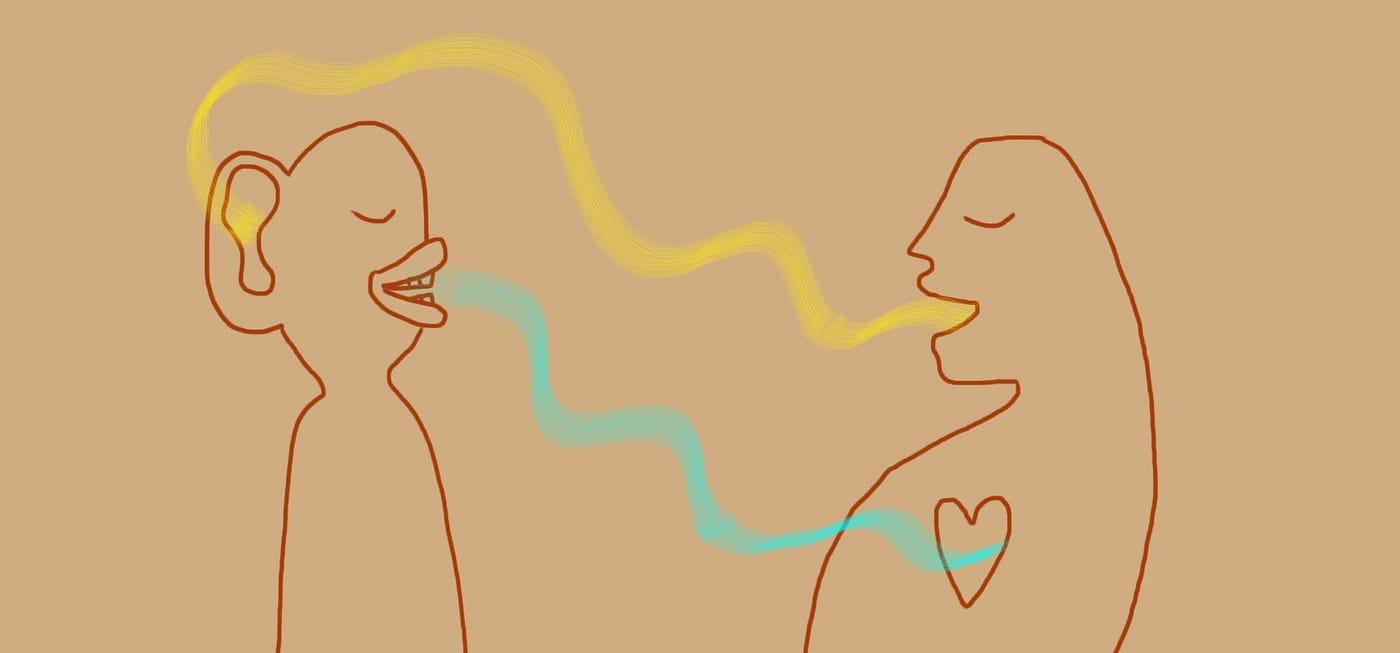
And so I started my writing practice by sharing my feelings from a personal point of view — applying honest self-disclosure, without placing blame on my friend'south attitudes.
For case: instead of saying "What you said was hurtful and disrespectful", I wrote "I felt really hurt when you called me 'young'."
Later that, I read through her words and I fabricated an effort to connect with the emotions backside them: "What could she be feeling that made her say these things to me?"
Sometimes this was actually challenging — especially when she threw debasing adjectives at me. Most of us are deeply conditioned to always accept other people'south words personally, but the key is to empathise that we all experience vulnerable and hurt sometimes, and we say things we don't actually mean.
Therefore, I applied a written version of empathic listening, by trying to guess the existent feelings and needs behind my friend's words.
Example 1
Her words: "You never say what you're thinking, and that just shows how immature y'all are".
My response: "What I hear is that sometimes you experience frustrated and aroused with certain things I say, because you lot wish you could empathise me amend. Is that right?"
Case 2
Her words: "I was tired after a full day of work, which for you lot is irrelevant since you're leaving your task. I thought you might at least take the decency to evidence some understanding, but obviously it was too much for me to await of you."
My response: "I run across now that yous were feeling very tired that day. And when you saw that I didn't discover that, y'all felt a bit sad and solitary, because you merely needed some back up and warmth after a full day of work. Is that what it felt like to you?"
Example 3
Her words: "Your anxiety and your rush to call up that notebook you lot lent me fabricated me realize that you must really hate spending time with me — you could have at least invited me for a cup of tea and asked me to bring it then."
My response: "I run into that you lot felt injure and disappointed when I insisted in stopping by your identify to recall my notebook. As you told me, yous were in the heart of something of import, and you wish I would have been more patient and understanding. I as well see that you felt sad that I approached the situation with such rush: afterwards all, we are friends, and you would like us to spend quality time together. I understand that, and I repent for the force per unit area I might accept triggered for yous."
After sharing my own emotions and making an attempt at empathizing with hers, I took one final step:
I expressed my intention and commitment to piece of work on our relationship.
How?
First, I made a clear asking every bit to how I would like her to support me in the future.
"I experience hurt when yous utilise certain words and adjectives to describe me (such as calling me 'young' or 'selfish'), as they seem unfair to me. Instead, I would similar to ask yous if you could simply address the concrete behaviors or words I used which made you upset, so that I can modify them."
Then, I expressed my availability to better back up her, both by suggesting ideas of my ain, and by remaining open up to hear whatever requests she might have.
"Information technology seems to me that sometimes you demand more transparency and honesty from my side. I recognize that I often struggle with beingness open near my feelings, and I am willing to piece of work on that. I also wanted to tell yous that I practice care about you, and I am interested in hearing nearly you; it's but that sometimes I get too captivated in my own problems, and I might meet equally insensitive. Please experience gratis to tell me at whatever time "Hey Silvia, I would really like to share something important with you now and I would like your total attention". I will also try to be more mindful from now on. Is at that place any other way in which I could support y'all?"
As agreed, the mean solar day after I received her e-mail and wrote all these things down, we met in person to hash out the thing.
I asked her if I could open the chat by reading my alphabetic character to her out loud, and I requested that she would listen from beginning to end without interruptions.
And that'due south what nosotros did. As for the outcomes of this niggling experiment, I can tell you that the conversation that followed my letter completely transformed my idea of how deep a friendship can go.
Her acrimony was gone, and so was mine. All of a sudden, we both felt an irresistible drive to confess our faults to each other, and at the same time nosotros both felt an unprecedented willingness to forgive and reassure.
It felt rubber to share, and for the first fourth dimension we really saw each other. For the first time, we opened up to each other, and for the first time, we both listened.
How to Use This Technique
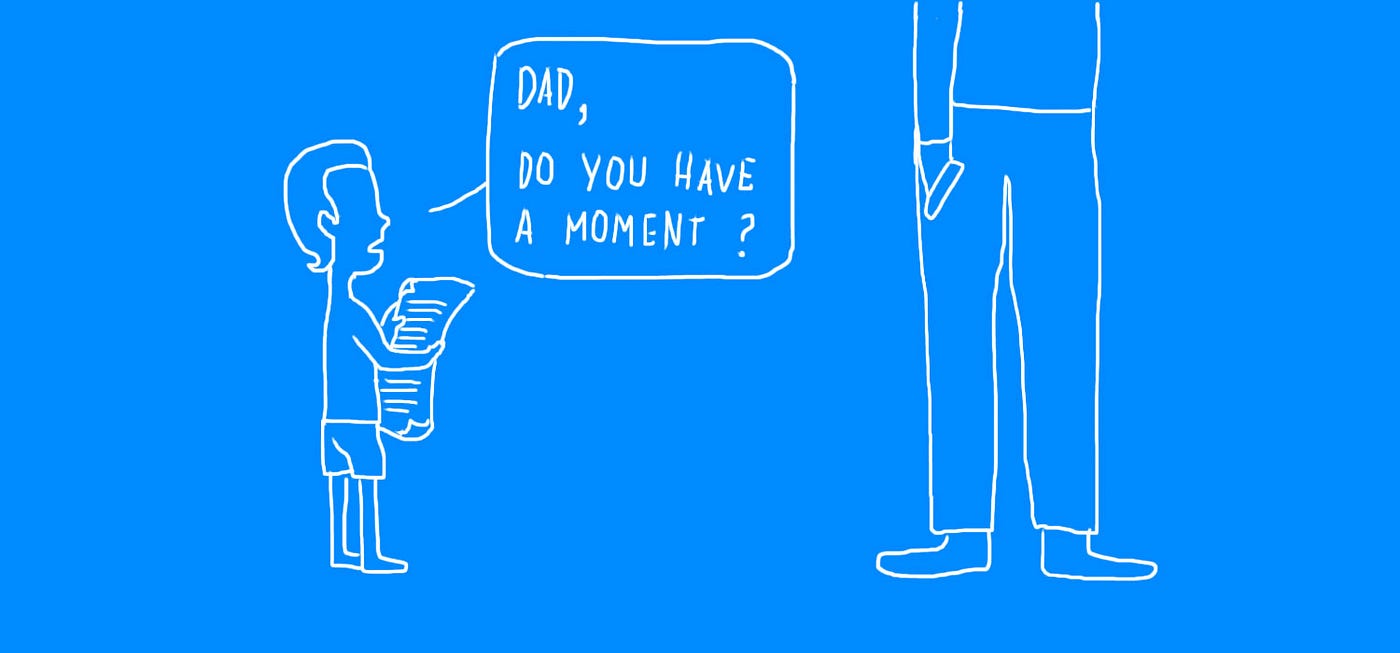
If you are feeling overwhelmed by everything y'all just read, don't worry: it's simpler than it seems.
The offset thing y'all need to do is to expand your emotional vocabulary.
As the procedure I have merely described is heavily based on the practise of Nonviolent Advice, I highly recommend you take a look at these resources on their website:
- List of feelings
- List of needs
Once you get familiarized with those, they will become a natural part of your written vocabulary, allowing you to better limited what's inside you lot also equally making others feel more understood.
When to use it
This process is especially useful for solving situations of disharmonize, but you lot tin can also employ information technology to uncover underlying problems that you lot might sense in your relationships.
You can either write downward all of information technology and give the letter to your loved one, or y'all can read it to them once it'south finished.
And now yous might ask: why write everything down earlier bringing it to conversation instead of but saying it direct? Well, there are several reasons why writing can be a tremendous aid in this situation:
- It will keep you from blindly reacting to your anger and say things you lot might subsequently regret;
- It will assist you organize your thoughts in a structured style, giving y'all clarity and making it easier for the other person to understand;
- It will make it easier for you to open up and be vulnerable, as y'all will take expressed your emotions beforehand and now you just accept to read what you wrote;
- It will help you recall important things that yous might otherwise forget or ignore in the oestrus of the moment.
How to structure the letter of the alphabet
- Honestly express your feelings and needs.
Without blaming the other person, share what is going on within of you. - Empathise with the emotions behind the other person's words.
"What might they be feeling that made them say this to me?" Don't have information technology personally, and try to come across the fragile man backside their acrimony or unfairness. Repeat things back to them. Reassure them that y'all paid attending. - Requite them clear instructions on how to support you better.
What would you like them to change in their future behavior? - Prove your availability to support them meliorate.
What are you lot willing to modify in your future behavior that might meliorate your relationship with them? Offer to do that. And then ask them for their ain suggestions.
With this methodology, you tin finally address those issues that you never had the backbone to voice out loud.
However, this tool works best for solving disharmonize. Just what about your relationships that are already stable and peaceful — can you lot use other types of writing to make them outstanding?
Every bit you might take guessed, the respond is yes.
Expressing Gratitude and Appreciation
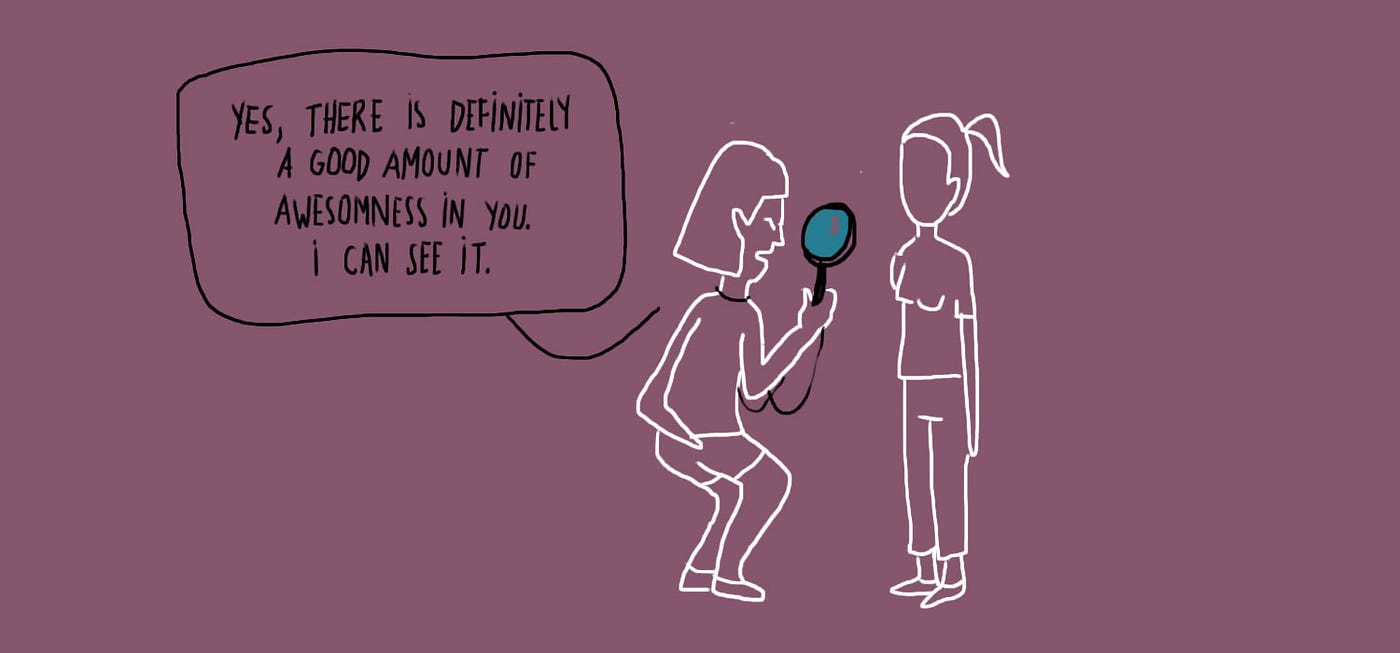
It's not uncommon for a lot of us to constantly push ourselves to achieve more while declining to recognize the things we have already achieved.
Equally a consequence of our negativity, we gradually give way to insecurities which we end up projecting onto people effectually us.
Nosotros subconsciously try to meet our need for validation through them; we compare ourselves to them and enter a competitive mentality; or we lash out at them, when deep downwards we are angry at no ane but ourselves.
Somewhen, this unhealthy blueprint has the ability to destroy any kind of relationship.
However, the good news is that it tin can exist easily dismantled.
How? It's unproblematic: if the problem is that we forget to come across what'southward practiced about ourselves, then we merely need someone to remind united states.
The easiest mode we can practise that for our loved ones is to bring their attention to their individual qualities, their achievements and their strengths. In practical terms, this ways to limited our gratitude and appreciation.
At that place is a lot of research about the benefits that gratitude can accept in relationships — both to the ones expressing it and to the ones receiving it.
Despite knowing that, it can still be tough to express feelings—even those of appreciation — especially towards the ones we love the about. How tin we overcome our resistance and make gratitude and appreciation a function of our daily life?
The hidden power of thank you notes
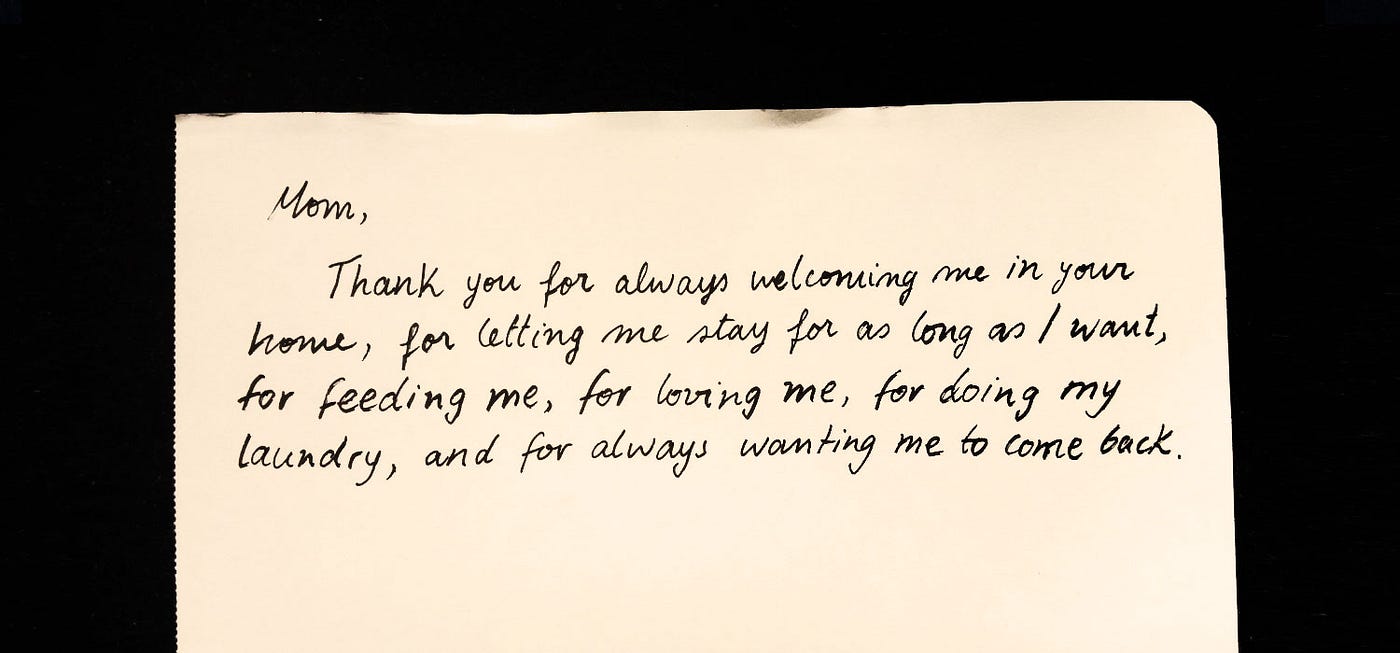
I have e'er struggled to reveal my feelings to my female parent.
Despite knowing how important information technology is for her to be reassured that she is a wonderful parent — which is admittedly how I feel — for some reason I always felt bad-mannered and uncomfortable expressing my appreciation to her out loud.
Then I started writing it to her.
"Give thanks yous for ever welcoming me in your home, for letting me stay for as long every bit I want, for feeding me, for doing my laundry, and for ever wanting me to come back."
"Thank y'all for laughing with me. Thank you for finding my jokes funny, for joining my ridiculous random dances, for hiding in the closet to scare me when I go home, for playing Singstar with me, for having cultivated fun and play as core values in my life since the moment I was built-in."
"Thanks for beingness so patient and always trying to empathize me, fifty-fifty when we disagree. Cheers for listening to me. Thank you for reading this. Thanks for accepting that sometimes I struggle to express myself, and thank you for waiting until I can."
As you can see, all I did was complete the stem "Thank you for…". All I had to practice was think virtually things that trigger in me 18-carat gratitude towards my female parent, and repeat the sentence for as many times as possible.
And withal, despite its simplicity, the results from this small exercise were tremendous.
The more I wrote words of appreciation to my mother, the more pleasure this habit brought me and the more natural it felt to express them. Eventually, because I kept bringing my sensation to her best traits, my very perception of her changed, and my dearest for her grew.
All of a sudden, her sadness started melting abroad, and and so did my sense of guilt. Later writing for a while, we became better at voicing our feelings to each other, and our relationship transformed. Nowadays, I can say that my mother is ane of my best friends — something I had never thought was possible earlier.
To do this yourself, just take hold of pen and newspaper and permit yourself quiet down for a fleck of reflection. Start with "Give thanks you lot for…" and fill in the rest of the sentence. Repeat this sentence until you feel you have expressed everything. When you are finished, give or send the alphabetic character to its recipient.
Chances are, you lot may feel that you are doing something for them (and you lot are). But you volition likely be surprised at the positive impact information technology has on your own feelings and mood as well.
Transforming Yourself
At that place is a concept in psychology called 'self-signaling' — a term introduced by psychologist and bestselling author Dan Ariely in his book 'The Honest Truth About Dishonesty'.
One of the ideas behind 'self-signaling' is that our actions determine who nosotros are — and not the other way effectually. If you act generous, you lot will become generous. If y'all constantly express your gratitude towards others, information technology starts condign part of your personality, and y'all truly begin to experience it.
Soon afterwards I started writing gratitude lists to my mother, I realized that I felt like expanding this practice to other relationships in my life:
- Erstwhile friends with whom I had been out of touch;
- New friends with whom I wanted to be closer;
- People in my life with whom I had unresolved problems;
- Other family unit members;
- My partner;
- People I work with.
I've had a friend weep equally she read my birthday card at her dinner party. I had people tell me that my words had reached them at exactly the right time, inspiring them to take steps to improve their lives.
A few years ago, I could barely become myself to say "thanks". Simply every bit I eased my way into gratitude by expressing it through written words, it became an intrinsic function of me, and information technology triggered profound, permanent comeback in my relationships.
The Gift of Growth
If I would have to name the biggest way in which writing has transformed my relationships, it would exist through the souvenir of cocky-sensation.
Sure, writing might not permit for the same spontaneity of a face-to-face conversation, reciprocity or reading body language. But it gives us an opportunity to assimilate our emotions and consciously respond to them, organize out thoughts, and find new means into the fabric of our relationships.
The techniques I have described higher up have inverse not only my relationships, just as well the very essence of my being.
You can first applying them to your own life today.
Just grab a piece of paper and write a alphabetic character to someone yous honey. Write it with pity, open yourself up. That alone has the power to securely bear upon someone'south heart.
👉The Improve Humans publication is a part of a network of personal development tools. For daily inspiration and insight, subscribe to our newsletter, and for your most important goals, find a personal coach.👈
Source: https://betterhumans.pub/how-to-use-writing-to-radically-improve-your-relationships-a7d8f5a850a3
0 Response to "We Were Again Writing a Letter About Out Fears and Other Feelings"
Post a Comment